

If you landed here after typing a strange, run-together phrase into Google, you are not alone. The kdalandscapetion landscape guide by kdarchitects is a search term that shows up across dozens of low-quality pages, and almost none of them tell you anything you can act on. They repeat the same adjectives, “innovative,” “stunning,” “game-changing,” and never show a plan, a plant list, or a price.
This guide does something different. It separates what can be confirmed about KDArchitects from what is just repeated online, then turns the design ideas associated with the firm into practical steps for a US yard, with climate zones, cost ranges, and a hiring checklist.
What the Keyword Actually Refers To
“Kdalandscapetion” is not a recognized brand, software, or design method. It appears to be a garbled string that content-farm pages generate, often stuffed beside unrelated topics like emulators and movie downloads. Some pages even label it a hypothetical business.
The real subject underneath is KDArchitects, a design firm with a website at kdarchitects.net. When you search the kdalandscapetion landscape guide by kdarchitects, nearly every result is a rewritten page about “KDArchitects landscape ideas by Roger Morph.”
What You Can Safely Say
- KDArchitects is a firm with a public website at kdarchitects.net.
- Its work is described as spanning landscape, interior, and architectural design.
- Its landscape themes, as described online, center on sustainability, outdoor living, and blending function with appearance.
What You Should Not Repeat Without Proof
- Specific award claims, such as a named international award in 2018.
- A count like “50+ award-winning designs.”
- Anonymous testimonials with no name, company, or project attached.
- Named projects such as “Eco-Park” or “Smart City Development” with no location, date, or photo.
Treat those as unverified until you see a primary source. That means the firm’s own site, a press release, an award body’s winner list, or a documented project page.
How to Check Any Claim Before You Trust It
Spun pages are built to sound confident. Use this quick filter on any article about the kdalandscapetion landscape guide by kdarchitects, or any other design firm.
| Check | Good sign | Red flag |
|---|---|---|
| Author | Real name, bio, credentials, other work | Random name, no bio, fake email block |
| Domain | Topic-relevant site with history | University or vet-clinic subdomain hosting design spam |
| Project claims | Location, year, client type, photos | “Award-winning” with no detail |
| Award claims | Named award body, year, link to winner list | Vague “international award” |
| Numbers | Sources or methodology | Round figures with no origin |
| Placeholder text | None | Phrases like “information not available in provided text” |
| Images | Original, credited, matches the project | Same stock-looking image repeated across pages |
If a page fails three or more rows, do not base a budget or hiring decision on it. pyrrothian lyxterand author at kdarchitects
The Design Principles Behind the Style
Stripped of marketing language, the ideas attached to KDArchitects landscape work come down to a few principles that any good landscape architect follows. They are worth understanding because you can apply them whether or not you hire this firm.
Principle 1: The Site Leads, the Style Follows
A design should respond to slope, sun exposure, soil, drainage, and existing trees before anyone picks a look. A modern geometric patio on a steep, wet lot fails no matter how good the renderings are.
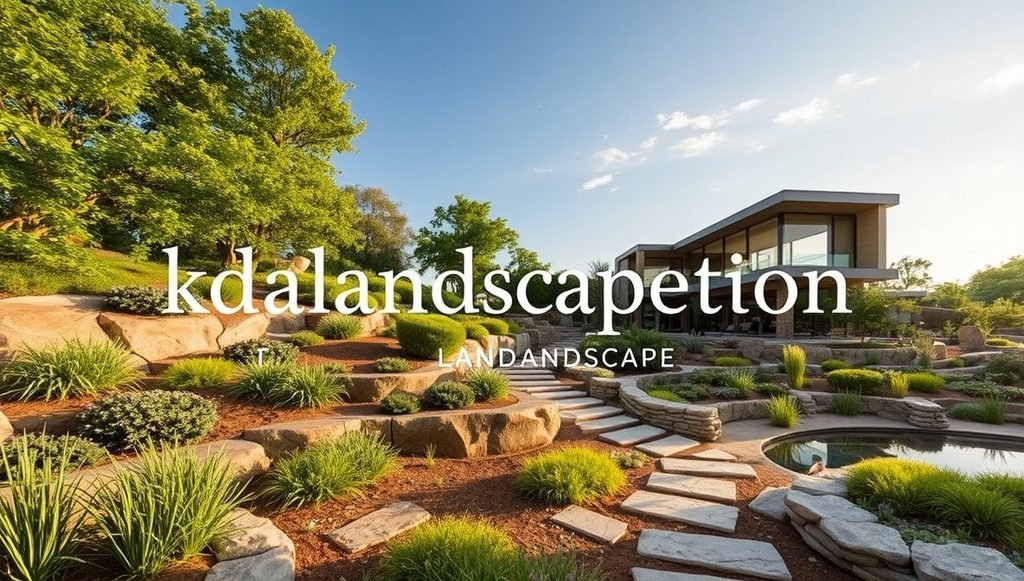
What to document before design starts:
- Sun hours in each area across the day
- Where water pools after heavy rain
- Soil type (clay, sandy, loam) from a simple jar test or local extension office
- Utility lines, setbacks, and easements
- Existing trees you want to keep
Principle 2: Function Before Decoration
Every zone in the yard should answer a question: who uses it, when, and for what? Typical zones include:
- Dining and entertaining
- Play or pet space
- Quiet seating
- Vegetable or cutting garden
- Service area for bins, tools, and utilities
- Transition paths connecting them
Principle 3: Sustainability Means Specific Choices
“Sustainable design” is the most overused phrase in this niche. It only means something when it is tied to decisions you can measure.
- Native and adapted plants that need less water and support local pollinators
- Permeable paving such as gravel, permeable pavers, or open-joint stone that lets rain soak in
- Rain capture through barrels, cisterns, or a rain garden fed by downspouts
- Smart irrigation with weather-based controllers and drip zones instead of blanket spray
- Reduced lawn area replaced with groundcover, meadow mixes, or mulched beds
Principle 4: Layers Make a Space Feel Designed
Professional designs use layers: canopy trees, understory trees, shrubs, perennials, and groundcover. A yard with only lawn and a few foundation shrubs reads flat. Adding two or three layers gives depth, shade, and year-round structure.
Design Ideas You Can Actually Build
Online lists of “KDArchitects landscape ideas” rarely explain how any of it works. Here is the practical version.
Living Walls and Vertical Planting
Living walls are one idea that appears repeatedly in pages about the firm. They suit small patios and urban lots, but they need irrigation, a waterproof backing, and regular maintenance.
- Best for: courtyards, privacy screening, small urban spaces
- Watch for: moisture damage to the host wall, plant die-off in extreme heat or freezing weather
- Lower-effort alternative: trellis with climbing vines like clematis, native honeysuckle, or passionflower where hardy
Outdoor Living Rooms
A patio with built-in seating, a fire feature, and layered lighting extends usable space for months.
- Fire pit placement: keep safe distances from structures and overhanging branches, and check local burn rules
- Lighting: warm 2700K fixtures, low-voltage, aimed at trees and paths rather than into eyes
- Surfaces: choose materials that handle your freeze-thaw or heat conditions
Smart Irrigation
Smart irrigation is listed among the firm’s described project types, though the details are not explained anywhere I could find. In practice it means:
- A controller that adjusts watering using local weather data
- Drip lines for beds, rotor or spray heads only for turf
- A rain sensor and zone-by-zone scheduling
- A yearly check for leaks and clogged emitters
Low-Water Planting
Replace high-demand turf with plants suited to your region. See the zone table below.
Adapting the Style to US Climate Zones
Design ideas travel badly across climates. A planting scheme built for mild coastal conditions will struggle in a Minnesota winter or an Arizona summer. Start with your USDA Plant Hardiness Zone, available by ZIP code on the USDA website, and then consider rainfall and heat.
| Region | Typical zones | Main challenge | Example native or well-adapted plants |
|---|---|---|---|
| Pacific Northwest | 7–9 | Wet winters, dry summers | Oregon grape, sword fern, red flowering currant |
| Southwest and desert | 8–10 | Heat, low rainfall | Desert willow, agave, brittlebush |
| Southeast | 7–10 | Humidity, heavy rain, heat | Inkberry holly, wax myrtle, muhly grass |
| Northeast | 4–7 | Freeze-thaw cycles | Serviceberry, switchgrass, purple coneflower |
| Midwest and Plains | 3–6 | Extreme temperature swings, wind | Prairie dropseed, bur oak, black-eyed Susan |
A good rule: choose plants rated for one zone colder than yours if you want extra safety, and confirm local invasive species lists before buying anything from a big-box nursery.
What a Landscape Project Costs in the US
Cost is where most pages about the kdalandscapetion landscape guide by kdarchitects fall silent. They admit that quality design “comes with a price tag” and then give no figure. The ranges below are general US ballparks, and your local quotes will vary by region, labor market, site access, and material choices. Treat them as planning numbers, not quotes.

| Item | Typical planning range |
|---|---|
| Landscape architect or designer fee | Often a percentage of construction cost (commonly 5–15%) or hourly billing |
| Planting only (shrubs, perennials, mulch) | Lower end of project costs, often a few dollars per square foot |
| Paver or stone patio | Often $15–$30+ per square foot installed |
| Drip and smart irrigation for a typical lot | Commonly a few thousand dollars |
| Outdoor lighting (low-voltage) | Hundreds to a few thousand dollars depending on fixtures |
| Retaining walls, grading, drainage | Highly site-specific, often the biggest budget surprise |
Where Budgets Break
- Drainage and grading found late in the process
- Material upgrades swapped in during construction
- Permits and inspections for walls, decks, or electrical
- Mature plant sizes chosen for instant impact instead of smaller, cheaper stock that grows in
Hold 10–15% of the budget as a contingency. It is boring advice, and it prevents the most common mid-project argument.
Permits, HOA Rules, and Water Restrictions
Most inspirational articles skip the legal side entirely, which is a gap worth noting for US readers.
- Permits: Retaining walls above a certain height, decks, structures with electrical, and major grading often need approval.
- HOA covenants: Some limit lawn replacement, fence height, or plant types.
- Water restrictions: In drought-prone areas, watering days and turf limits may apply.
- Utility locating: In the US you can call 811 before digging so buried lines are marked.
Check these before paying for final drawings. Redesigning after a denial costs more than asking first.
A Step-by-Step Process for Your Own Project
Whether you follow the kdalandscapetion landscape guide by kdarchitects or another firm’s approach, the sequence is similar.
- Site survey and wish list. Measure the lot, note conditions, and rank your priorities.
- Budget range. Set a realistic total and a contingency.
- Concept plan. A rough layout showing zones, paths, and major features.
- Detailed design. Planting plan, materials, grading, drainage, and lighting.
- Permits and bids. Collect at least three bids on the same drawings so you can compare them fairly.
- Construction in phases. Do grading, drainage, and hardscape first, then irrigation, then planting.
- Establishment period. New plants need consistent watering for the first one to two growing seasons.
- Maintenance plan. Seasonal pruning, mulch refresh, irrigation check, and fertilizing only where needed.
How to Vet and Hire a Landscape Professional
Pretty photos do not prove competence. Ask for evidence.
Questions to Ask Before Signing
- Can I see three completed projects in my climate zone, and can I contact those clients?
- Who does the design, and who supervises installation?
- Are you licensed and insured in my state?
- How do you handle change orders and unforeseen conditions?
- What does your plant warranty cover, and for how long?
- How do you design for drainage and water use?
Documents to Request
- Written scope of work and itemized estimate
- Proof of liability insurance and workers’ compensation
- Payment schedule tied to milestones, not a large upfront deposit
- Warranty terms in writing
If you are considering KDArchitects specifically, start at kdarchitects.net, request portfolio details and client references, and check any award claims against the awarding organization’s own records.
Common Mistakes the Spun Articles Never Mention
- Choosing plants for photos, not for your zone. Many failures happen in the first winter or summer.
- Ignoring mature size. A shrub planted two feet from a wall will be a problem in five years.
- Over-lighting. Too many bright fixtures make a yard feel like a parking lot.
- Skipping soil prep. Amending compacted clay before planting matters more than the plant’s price.
- Mulch volcanoes. Mulch piled against tree trunks invites rot and pests; keep it a few inches back.
- No maintenance plan. A design that needs weekly attention will fail if you only have monthly time.
Quick Checklist Before You Commit
- [ ] I know my USDA hardiness zone and local rainfall pattern
- [ ] I have documented sun, slope, soil, and drainage
- [ ] I have a budget range plus a 10–15% contingency
- [ ] I checked permits, HOA rules, and water restrictions
- [ ] I verified any firm’s awards and project claims from primary sources
- [ ] I compared at least three bids on identical plans
- [ ] I have a written warranty and payment schedule
- [ ] I have a maintenance plan I can realistically follow
Final Takeaway
The kdalandscapetion landscape guide by kdarchitects is best understood as a messy search phrase that points to a real firm and a set of ordinary, solid design principles: respect the site, plan for function, choose plants that suit your climate, and be specific about sustainability. Everything else floating around online is mostly filler.
Use the verification table to filter claims, the zone table to choose plants, and the cost table to set a budget with a buffer. Then go to the primary source, kdarchitects.net, and ask for projects, references, and written terms before you commit any money.

Frequently Asked Questions
What is kdalandscapetion?
It is not a recognized brand or method. It appears to be a garbled keyword that auto-generated pages repeat, and it likely traces back to KDArchitects.
Is KDArchitects a real firm?
It has a public website at kdarchitects.net. Verify its projects and any awards directly with the firm and the awarding bodies.
Who is Roger Morph in connection with KDArchitects?
Many spun pages name him as the person behind the landscape ideas, but I could not confirm that from a primary source. Check the firm’s own site.
How much does a landscape design cost in the US?
Designer fees are often 5–15% of construction cost or billed hourly, and installation varies widely by region and scope. Get at least three local bids.
What are the best low-water landscape ideas?
Use native or adapted plants, drip irrigation, mulched beds, and smaller turf areas. Match plant choices to your USDA hardiness zone.
Do I need a permit for landscaping work?
Often for retaining walls, decks, major grading, and electrical work. Check with your city or county and your HOA before building.
How do I know if an award claim is true?
Look for the awarding organization’s own winner list with the year and project name. A vague “international award” with no source is not proof.
